
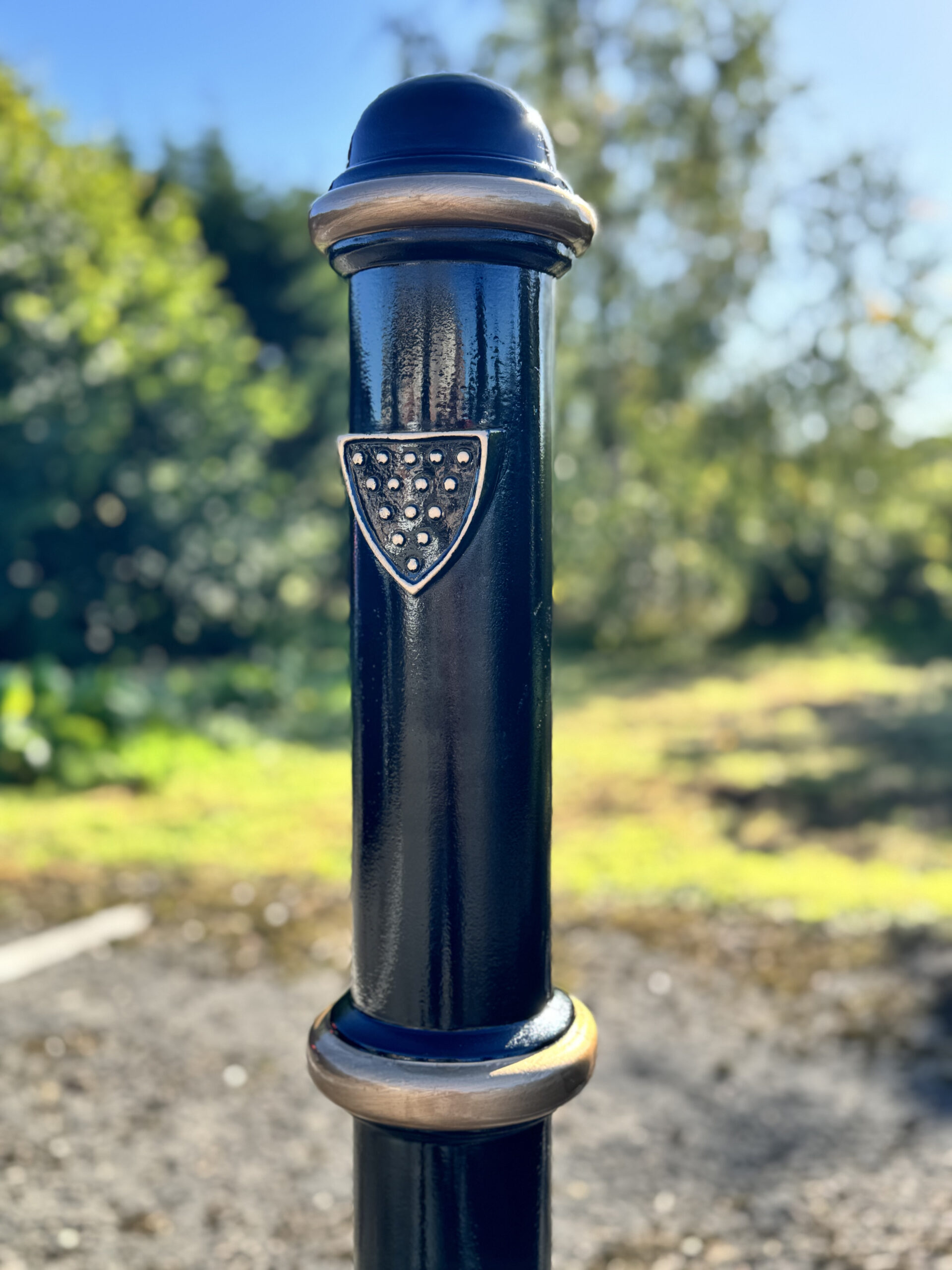

Across the UK, local authorities are under increasing pressure to deliver safe, durable and cost-effective infrastructure while managing tight budgets and reducing ongoing maintenance requirements.
One area where many councils are making a noticeable change is in the selection of street furniture, particularly bollards. Traditionally manufactured from materials such as cast iron, steel, timber or concrete, bollards have long been used to protect pedestrians, manage vehicle access and define public spaces. However, many authorities are now turning to polyurethane alternatives.
So what’s driving this shift?
The Challenge with Traditional Bollards
Bollards are installed in some of the busiest environments imaginable. From town centres, car parks, pedestrianised zones and schools through to retail parks and public highways. Vehicle impact on these bollards are common and even at low-speed this can result in damage that requires repair or replacement. Traditional materials such as cast iron and concrete can crack, chip or break, while steel bollards may bend permanently if hit. For local authorities, this often creates an almost constant cycle of inspection, repair and replacement that can become costly over the lifetime of the installation.
Built to Withstand Impact
One of the key advantages of polyurethane bollards is their ability to absorb impact. Unlike rigid materials that fracture or deform when struck, polyurethane possesses a unique combination of strength and flexibility. When subjected to an impact, the material can flex and recover, reducing the likelihood of permanent damage. We even have an Impact Flex range designed specifically for areas where this is likely.
This makes polyurethane particularly suitable for areas where accidental vehicle contact is common, including:
- Car parks
- Traffic calming schemes
- School zones
- Service roads
- Town centre access points
- Cycle lane segregation projects
Rather than requiring immediate replacement after a collision, polyurethane bollards can often continue performing as intended.
Lower Maintenance Requirements
Maintenance budgets remain a significant concern for local authorities. Every damaged bollard requires inspection, labour, replacement materials and often traffic management measures to complete repairs safely. By reducing the frequency of damage-related replacements, polyurethane bollards can help councils minimise maintenance interventions. The result is less disruption for road users and pedestrians, reduced labour costs and improved asset longevity.
Long-Term Cost Savings
A bollard that requires multiple repairs or replacements throughout its service life can become significantly more expensive than a more durable alternative. Polyurethane bollards offer an attractive balance between durability and lifecycle performance, helping authorities reduce long-term ownership costs while maintaining safety standards. When multiplied across hundreds or even thousands of installations, these savings can become substantial.
Resistance to Weather and Environmental Conditions
Street furniture must perform reliably throughout the year in all weather conditions and this is a major benefit of polyurethane bollards.
Polyurethane offers excellent resistance to:
- Rain and moisture
- UV exposure
- Corrosion
- Road salt
- General environmental degradation
Unlike steel, polyurethane doesn’t rust, unlike timber, it doesn’t rot and unlike some traditional materials, it remains highly durable in challenging outdoor environments including the harsh conditions on the coast. This contributes to a longer service life and a more consistent appearance over time.
They Look Better for Longer
Public spaces are increasingly expected to be both functional and visually appealing. Damaged, chipped or corroded bollards can quickly create a poor impression of an otherwise well-maintained area. Polyurethane bollards are designed to maintain their appearance while standing up to the demands of busy public environments. Their resistance to corrosion and impact damage helps ensure that streetscapes continue to look professional and well cared for.
Bollards play an important role in:
- Protecting pedestrians
- Restricting unauthorised vehicle access
- Creating safer shared spaces
- Supporting cycle infrastructure
- Defining public areas
Polyurethane solutions offer councils a durable and practical option that aligns with these modern infrastructure requirements.
A Smarter Investment
The move towards polyurethane bollards is not simply about adopting a new material. It reflects a broader shift towards infrastructure that delivers long-term value, reduced maintenance requirements and improved resilience. For local authorities managing extensive street furniture networks, these benefits can translate into lower costs, fewer disruptions and improved public spaces. As budgets continue to face pressure and expectations around public infrastructure increase, it is easy to see why more councils are making the switch.
Watch the our video to learn more about the benefits of polyurethane bollards and why they are becoming the preferred choice for local authorities across the UK: